
Strong painkiller
December 14, 2025Strongest over the counter painkiller
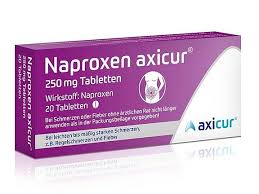
December 14, 2025Naproxen is a widely used and effective painkiller belonging to the class of drugs known as Non-Steroidal Anti-Inflammatory Drugs (NSAIDs). It is valued for its longer duration of action compared to many other common over-the-counter (OTC) painkillers.
Here is a detailed overview of Naproxen:
💊 Naproxen Overview
| Feature | Description |
| Drug Class | Non-Steroidal Anti-Inflammatory Drug (NSAID) |
| Common Brand Names | Aleve, Naprosyn, Anaprox (often Naproxen Sodium) |
| Primary Action | Reduces pain, inflammation, and fever. |
| Mechanism | Works by inhibiting the production of substances in the body called prostaglandins, which are responsible for causing pain, inflammation, and fever. |
| Key Advantage | Its effects last longer than many other OTC NSAIDs (typically 8 to 12 hours), making it suitable for all-day or overnight pain relief. |
What is Naproxen Used For?
Naproxen is particularly effective for pain that involves underlying inflammation. It is commonly used to treat:
-
Musculoskeletal Pain: Back pain, muscle aches, sprains, and strains.
-
Inflammatory Conditions: Arthritis (rheumatoid arthritis, osteoarthritis, gout, ankylosing spondylitis).
-
Dental Pain: Toothaches and pain following dental procedures.
-
Menstrual Pain (Dysmenorrhea) and cramps.
-
Headaches and migraines.
-
Tendinitis and Bursitis.
Dosage and Formulations
Naproxen is available in several forms, including:
-
Over-the-Counter (OTC): Typically available as a lower-dose version, often as Naproxen Sodium (e.g., Aleve). The sodium form is absorbed faster.
-
Prescription: Higher-dose Naproxen and Naproxen Sodium tablets for more severe or chronic conditions.
-
Formulations: Immediate-release, delayed-release, extended-release tablets, and oral suspensions.
Always follow the instructions on the packaging or your doctor’s prescription regarding the correct dosage and frequency.
Important Safety Information
Like all NSAIDs, Naproxen has potential side effects and contraindications. It is important to take the lowest effective dose for the shortest duration possible.
| Risk Area | Details |
| Gastrointestinal (GI) Risk | Naproxen can irritate the stomach lining, increasing the risk of stomach ulcers and bleeding. This risk is higher with long-term use, higher doses, or a history of GI problems. Always take Naproxen with food, milk, or an antacid to protect the stomach. |
| Cardiovascular (CV) Risk | NSAIDs, including Naproxen, may increase the risk of serious CV events, such as heart attack or stroke, particularly in people with existing heart disease or risk factors. |
| Kidney Risk | Long-term use or high doses can affect kidney function. |
| Drug Interactions | Naproxen can interact with other medications, including blood thinners (anticoagulants), certain blood pressure medications, and other NSAIDs (like Ibuprofen or Aspirin). Do not take Naproxen alongside other NSAIDs unless specifically directed by a doctor. |
Always consult your doctor or pharmacist before taking Naproxen if you have a history of heart disease, stroke, high blood pressure, stomach ulcers, bleeding problems, or kidney problems.
