
best painkiller for toothache
December 14, 2025Codeine painkiller
December 14, 2025💊 Decoding the Pain Ladder: Understanding the Strongest Painkillers in the UK
When pain strikes, the immediate desire is to reach for the strongest possible relief. In the UK, the strongest painkillers fall into two distinct categories: those you can buy over-the-counter (OTC) and those that require a prescription.
It’s crucial to understand the differences, their risks, and, most importantly, that stronger doesn’t always mean better or safer.
1. The Strongest Over-The-Counter (OTC) Relief: Low-Dose Opioids
While simple options like Paracetamol and Ibuprofen are highly effective for mild to moderate pain (and are often best taken together), the strongest painkiller available to buy from a pharmacy without a prescription is a combination product.
The Combination: Co-codamol 8/500
-
What it is: This product combines a standard dose of Paracetamol (500mg) with a small amount of the weak opioid, Codeine (8mg).
-
How it works: Paracetamol works on the central nervous system to block pain signals, while codeine is converted into morphine in the body, providing an extra analgesic boost. The combination is often more effective than either ingredient alone.
-
The Caveat: The low-dose codeine adds a risk of dependency if taken for more than three days consecutively. For this reason, pharmacists will strictly enforce the three-day limit and often limit the quantity you can purchase. They are intended only for short-term use when standard painkillers haven’t helped.
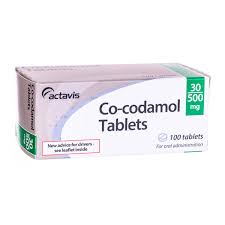
2. Prescription Strength: The Opioid Analgesics
For moderate to severe pain—such as pain after surgery, significant trauma, or chronic conditions—a GP or specialist will need to prescribe stronger medications. These generally fall under the category of opioids or synthetic opioids and are managed strictly due to their potency and risk of dependence.
The strength of prescription painkillers is often described using the “pain ladder,” progressing from weaker to stronger options:
| Opioid Strength | Common UK Examples (Prescription Only) | Use Case |
| Weak/Moderate Opioids | Co-codamol (stronger 15/500 or 30/500), Dihydrocodeine, Tramadol | Moderate pain not relieved by Paracetamol or Ibuprofen alone. |
| Strong Opioids | Morphine, Oxycodone, Fentanyl | Severe pain, often related to cancer, major trauma, or end-of-life care. These are the strongest painkillers available. |
Why Strong Opioids are Closely Controlled:
-
Side Effects: They carry significant side effects, including severe constipation, nausea, dizziness, and drowsiness.
-
Tolerance and Dependence: The body can quickly develop a tolerance, meaning you need more of the drug for the same effect. They also carry a high risk of dependence and addiction.
⚠️ A Critical Safety Warning: The Takeaway
When discussing the “strongest” painkiller, it is vital to remember these points:
-
Paracetamol is Key: Even with the strongest opioids, Paracetamol or NSAIDs like Ibuprofen are often prescribed alongside them. This is because they work via different mechanisms, and combining them provides better, more targeted relief, sometimes allowing for a lower dose of the stronger drug.
-
Risk vs. Benefit: The strongest drugs come with the strongest risks. They should only be used under the direct supervision of a healthcare professional and for the shortest duration necessary.
-
Consult a Professional: Never attempt to self-medicate or “stack” high doses of OTC drugs to achieve prescription-level relief. If your pain is not manageable with standard OTC options (Paracetamol, Ibuprofen), it is a clear sign that you need a medical diagnosis from your GP or pharmacist.
If you are currently struggling with persistent or severe pain, the first step is always to speak with your pharmacist or doctor for a proper pain assessment and treatment plan tailored to your health and the source of your pain.
