
headache painkiller
December 17, 2025Painkiller for period
December 17, 2025Navigating Back Pain Relief: Your 2025 Guide to Painkillers and Beyond
Back pain is one of the most common reasons for doctor visits worldwide. As of 2025, the approach to managing it has shifted toward a “holistic” strategy, focusing on combining the right medications with movement and non-drug therapies.
If you are looking for relief, here is a breakdown of the most effective painkillers and treatments available today.
1. Over-the-Counter (OTC) Options
For most acute back strains or minor flare-ups, OTC medications are the first line of defense.
- NSAIDs (Ibuprofen, Naproxen): Drugs like Advil or Aleve are often preferred for back pain because they target the inflammation that often accompanies muscle strains. Naproxen is frequently chosen for chronic conditions because it provides longer-lasting relief (up to 12 hours).
- Acetaminophen (Tylenol): This is a safer choice for those with sensitive stomachs or kidney issues. If you want to avoid pills, Diclofenac gel (Voltaren) or Lidocaine patches can provide targeted relief directly to the painful area with fewer systemic side effects.
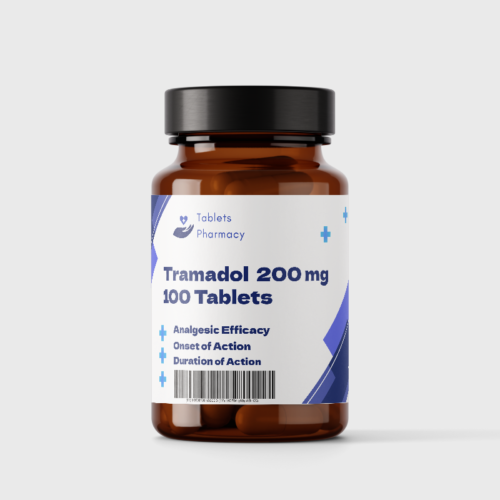
2. Breakthroughs & Prescription Medications
If OTC options aren’t enough, your doctor may suggest stronger treatments:
- New for 2025: Suzetrigine (Journavx): In January 2025, the FDA approved suzetrigine, the first in a new class of non-opioid painkillers. It specifically blocks pain signals in the nerves without the addiction risks associated with opioids.
3. Natural & Holistic Alternatives
Modern guidelines now emphasize that pills should only be one part of your recovery.
- Physical Therapy & Movement: 2025 WHO guidelines strongly support structured exercise, yoga, and Tai Chi over bed rest.
- Heat & Cold: Use ice for the first 48 hours of a new injury to reduce swelling, then switch to moist heat to relax stiff muscles.
Important Safety Note
Prolonged use of some medications, like NSAIDs, can increase the risk of certain health issues, such as stomach ulcers or kidney damage. If back pain is accompanied by fever, numbness, or weakness in the legs, seek medical attention immediately, as these can be indicators of a more serious condition.
Disclaimer: This information is for general knowledge and should not be taken as medical advice. Consult with a healthcare professional for diagnosis and treatment of back pain.