
Stretches for lower back pain relief
December 17, 2025What to do for back pain in lower back
December 17, 2025For many years, the standard advice for back pain was bed rest. However, 2025 medical guidelines now emphasize that movement is medicine. Strengthening the core, hips, and glutes creates a “natural brace” that protects your spine.
Here is an evidence-based guide to the best exercises for back pain relief and prevention in 2025.
1. The Power of Stability: Mind-Body Exercises
Recent large-scale studies show that mind-body activities are among the most effective interventions for chronic lower back pain.
- Tai Chi: A 2025 meta-analysis identified Tai Chi as potentially the most effective intervention for alleviating chronic back pain, especially when practiced for 15–30 minutes, three times per week.
- Yoga: Highly effective for reducing pain intensity and improving physical function.
- Pilates: Frequently ranked as the top choice for reducing disability and pain, specifically by focusing on core and spinal stability.
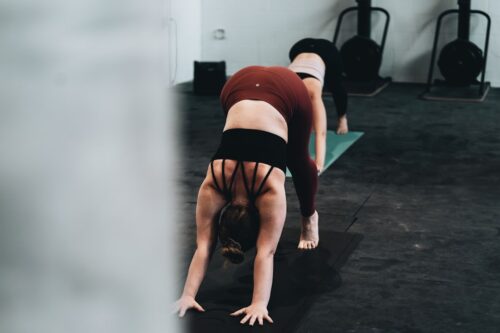
2. Essential Core Strengthening
A strong core supports the weight of your upper body, reducing the load on your lower spine.
- Bird-Dog: Start on all fours; extend your opposite arm and leg while keeping your back flat. This builds deep core stability and balance.
- Bridges: Lie on your back and lift your hips until they form a straight line with your knees. This strengthens the glutes and hamstrings, which are vital for spinal support.
- Dead Bug: Lie on your back with arms and legs raised. Slowly lower opposite limbs while keeping your lower back pressed firmly into the floor.
- Planks: Maintain a push-up or forearm position while engaging your abdominals and glutes. Ensure your gut does not sag, which can strain the back.
3. Low-Impact Aerobics
Aerobic activity increases blood flow to your spinal discs, delivering essential nutrients for healing.
- Walking: A safe, accessible way to maintain a healthy weight and reduce pressure on the back.
- Swimming and Water Aerobics: The buoyancy of water reduces impact on the spine, making it ideal for those with arthritis or acute pain.
4. Dynamic Flexibility
Stretching relieves muscle tension that may be pulling your spine out of alignment.
- Cat-Cow: Alternating between arching and rounding your back on all fours to mobilize the spine.
- Pelvic Tilts: Gently flattening your lower back against the floor to engage the core and release stiffness.
- Knee-to-Chest: Elongates the lower back muscles and provides immediate relief for tension.
2025 Best Practices for Recovery
- Frequency: Aim for three sessions per week for at least 16 weeks to see significant long-term improvement in chronic pain.
- Duration: Even short sessions of 15–30 minutes are highly effective.
- Proper Lifting: Always engage your leg muscles and keep items close to your body to avoid sudden spasms.
- Sleep Alignment: Place a pillow under your knees if you sleep on your back, or between your knees if you are a side sleeper.
Consult a healthcare professional if pain is severe, persistent, or accompanied by numbness or weakness in your legs.