
teeth pain killer
December 17, 2025how to treat lower back pain at home
December 17, 2025Where You’d Be Staying
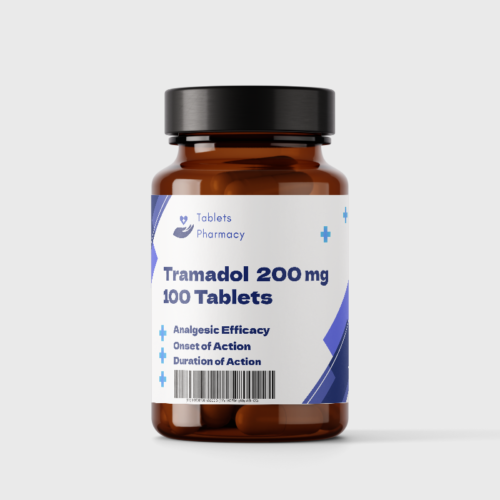
This combination drug—hydrocodone and acetaminophen—is commonly used to treat pain after surgery. Hydrocodone is a potent analgesic, meaning it’s a strong pain reliever. As an opioid, it interacts with opioid receptors in the brain to block specific pain signals and their pathways. Acetaminophen, a non-opioid pain reliever (available over the counter), also helps block pain signals through the central nervous system. When combined, these two medications create powerful pain-relieving effects. This combination can provide more effective relief with fewer adverse side effects and risks than taking hydrocodone alone.
Hydrocodone/Acetaminophen is a prescription medication mainly used for short-term pain relief. Generally given to patients for post-surgery pain relief, cancer patients, or those who suffer a significant trauma like a car accident or severe injury.
While this medication does have positive medical uses, it comes with the risk of physical dependence and opioid addiction because of its opioid (hydrocodone) content. Like most opioids, the body can grow accustomed and dependent on its effect, and sudden cessation can lead to uncomfortable or even life-threatening withdrawal.
Because of these risks, hydrocodone/acetaminophen is typically only prescribed for short-term use and under close medical supervision. A typical hydrocodone/acetaminophen prescription may include hydrocodone (2.5 to 5 mg) and acetaminophen (300 to 325 mg), taken as 1 or 2 oral tablets every 4 to 6 hours as needed for severe pain. The total daily dosage should not exceed 8 tablets per day or 4 grams of acetaminophen within 24 hours to prevent severe liver damage.
While these are general guidelines, proper use requires careful adherence to the hydrocodone dosage detailed by your doctor for your specific needs. Understanding when and how this medication is used is crucial for safe and effective pain management.
Common Medical Uses of Hydrocodone/Acetaminophen
Hydrocodone/acetaminophen is most commonly prescribed for acute, moderate to severe pain. Examples of this may include:
- Post-surgical pain: After procedures like joint and hip replacements or abdominal operations like a hernia, this drug is utilized when pain can be intense in the initial recovery phase.
- Injury-related pain: This medication can quickly alleviate sharp pain caused by fracture, sprains, or even a fully broken bone resulting from a car accident, sports injury, or pain.
- Cancer-related pain: In some cases, hydrocodone/acetaminophen is used to help manage severe or chronic pain associated with cancer treatment or progression. However, long-term pain management puts patients at risk for addiction.
There are also a few lesser-known or less frequently prescribed uses of hydrocodone/acetaminophen. They include:
- Chronic Cough Relief: Hydrocodone has antitussive (cough-suppressing) properties and may be prescribed to treat severe, persistent coughs that don’t respond to other treatments.
- Severe Dental Pain: Although not always the first option, hydrocodone/acetaminophen can be used for intense dental pain following complex surgeries like wisdom tooth extractions or jaw surgeries.
This medication aims to provide temporary relief until the body has healed enough for less potent, over-the-counter pain management methods. While it’s effective for managing intense discomfort, it is not ideal for long-term, chronic pain management unless under strict medical supervision in very specific cases due to the risk of dependence.
Side Effects
Like many combination medication affects, hydrocodone/acetaminophen can produce a range of potential side effects. Understanding the possible side effects of both hydrocodone and acetaminophen individually and in combination is essential for anyone prescribed the medication/s to ensure safe and effective use.
Common Side Effects of Hydrocodone
The most common hydrocodone side effects include:
- Drowsiness and dizziness
- Nausea or vomiting
- Constipation
- Mood changes
- Urinary retention and bladder spasms
- Skin reactions
Serious Hydrocodone Side Effects
Hydrocodone can also lead to more dangerous side effects, including:
- Respiratory depression: As an opioid, hydrocodone interacts with the central nervous system (CNS) and mu-opioid receptors, which can reduce heart rate, causing shallow breathing or breathing problems. In serious cases, this can be life-threatening.
- Liver damage: The liver is tasked with processing hydrocodone, and in large doses, it can cause severe liver damage, especially if combined with acetaminophen.
- Addiction and dependence: As with most opioid usage, users may build tolerance, requiring higher doses for the same pain relief. If the user sustains use or increases dosage, they increase their risk of dependence and addiction.
Hydrocodone is an active ingredient in brands like Norco pain med, Vicodin, and Lortab. We will review their known side effects briefly:
- Norco side effects:
- Drowsiness
- Nausea
- Constipation
- Vicodin side effects:
- Dizziness
- Vomiting
- Lightheadedness
- Lortab side effects:
- Dry mouth
- Itching
- Headache
Because the standard drug in each of these brands is hydrocodone/acetaminophen, many of the most common side effects overlap. Now, let’s review acetaminophen-specific side effects before detailing the side effects of both acetaminophen and hydrocodone together.
Side Effects of Acetaminophen
Acetaminophen, aka Tylenol, is a common over-the-counter pain reliever and fever reducer. It is generally considered safe when taken as directed, but it can cause some side effects, particularly with high doses or long-term use.
Common Side Effects:
- Nausea
- Stomach pain
- Loss of appetite
- Rash or itching
Serious Side Effects can include:
- Liver damage: Especially when exceeding the recommended daily limit (4,000 mg for healthy adults). Signs of liver damage include yellowing of the skin or eyes and dark urine, as this shows that the organ is failing to process the drug and is trying to expel the toxins via the skin and urine.
- Allergic reactions: Some people are allergic to acetaminophen, which can present as swelling in the throat, difficulty breathing, or severe rash.
To avoid side effects, follow the dosage instructions on the bottle, avoid ingesting alcohol or other products with acetaminophen, and consult a doctor if you suspect you are allergic to this drug.
Let’s take a deeper look at the combined effect of hydrocodone and acetaminophen.
Side Effects of Hydrocodone/Acetaminophen
When combined, hydrocodone and acetaminophen provide powerful pain relief, but they can also cause negative side effects. These can vary from mild discomfort to more serious health concerns, some of which may require the cessation of the medication.
Common Side Effects Hydrocodone/Acetaminophen:
- Drowsiness and/or dizziness: These common effects can impact physical and mental performance.
- Stomach pain, nausea, and vomiting: Stomach pain is very common with this combination of medications.
- Constipation: One of the most frequent side effects. Studies show that about 21% of users experience constipation, compared to 0% with oxycodone.
- Itching or skin rash: Hydrocodone can cause itching or rashes. This is also an indication of allergic reactions. Talk to your doctor if this side effect persists or worsens.
Serious Side Effects of Hydrocodone/Acetaminophen:
- Respiratory depression: When breathing slows dangerously—this is more likely with high doses or when mixed with other sedatives.
- Liver damage: Acetaminophen can be hard on the liver, and excessive intake can cause lasting damage.
- Dependence and addiction: Stemming mainly from the opioid within this combination, long-term hydrocodone use can lead to addiction.
- Mood changes: Also an adverse opioid effect, hydrocodone can induce feelings of fear, anxiety, or dysphoria.
- Urinary retention: The combination of these drugs can affect muscle control and cause difficulty when urinating.
To reduce the risk of severe side effects, take hydrocodone/acetaminophen exactly as prescribed, avoid combining it with alcohol or other CNS sedatives, and inform your doctor about any other medications you are taking. If you experience symptoms like trouble breathing, extreme fatigue, or yellowing of the skin, seek medical help immediately.
Hydrocodone vs. Oxycodone
When considering a more intense painkiller, some patients like to compare Hydrocodone vs. Oxycodone. According to a study conducted by Academic Emergency Medicine comparing hydrocodone vs. oxycodone, they found that the two drugs both relieved pain within 30 minutes of ingestion. Additionally, oxycodone did have a slightly higher pain reduction rate, but the margin of difference was statistically insignificant. The study concluded that both medications were equally effective in managing moderate to severe pain.
While both hydrocodone and oxycodone are shown to be effective for managing pain, it’s important to understand the risks and precautions associated with opioids—especially hydrocodone, given its widespread use and potential for misuse.
