
Painkiller for back pain
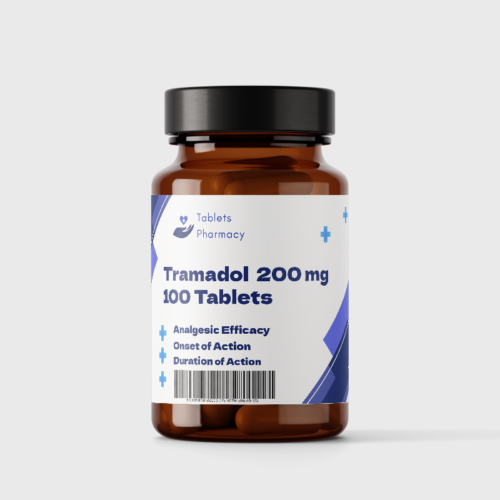
December 17, 2025Tramadol Medication
December 17, 2025Managing Period Pain in 2025: From Science-Backed Relief to New Tech
Period pain, or dysmenorrhea, affects up to 90% of people who menstruate. As of 2025, the approach to management has evolved to include both high-efficacy medications and innovative, drug-free wearable technologies.
1. The Gold Standard: NSAIDs
- Ibuprofen (Advil, Motrin): Specifically FDA-approved for dysmenorrhea.
- Naproxen (Aleve): Known for its longer half-life, meaning it requires less frequent dosing (typically every 12 hours) while providing superior relief to acetaminophen within 30 minutes.
- Mefenamic Acid (Ponstel/Meftal): Particularly effective for reducing both pain and heavy menstrual flow.
- Safety Note: In rare cases, mefenamic acid can cause a serious reaction known as DRESS syndrome; always use under medical guidance.
2. Hormonal and Advanced Prescriptions
If over-the-counter (OTC) options fail, healthcare providers may suggest treatments that address the underlying hormonal cycle:
- Combined Oral Contraceptives: These thin the uterine lining and reduce prostaglandin production, often significantly lessening pain over time.
- Linzagolix (Yselty): Approved by the MHRA in March 2025, this new hormonal therapy is specifically recommended for managing severe pain associated with endometriosis.
- Suzetrigine (Journavx): A breakthrough non-opioid pain medication approved by the FDA in January 2025 for acute pain. It targets specific nerve channels to block pain signals without the risks of traditional painkillers.
3. Drug-Free & Wearable Innovation
2025 has seen a surge in “FemTech” solutions for those who prefer to avoid systemic medication:
- Neuromodulation Devices: Wearables like Livia or Nettle use micro-pulses or brain stimulation to block pain signals before they reach the brain.
- Smart Heat Therapy: Modern adhesive patches and electric heating belts provide constant, regulated warmth that has been shown in clinical studies to be as effective as some NSAIDs.
- Magnesium & B6: A 2025 clinical trial confirmed that taking 250mg of magnesium daily—especially when paired with 40mg of Vitamin B6—provides significant relief from cramping by relaxing uterine muscles.
When to See a Doctor
While many people manage period pain at home, you should consult a gynecologist if your pain is severe enough to interfere with work or school, worsens over time, or is not relieved by standard OTC painkillers. These can be signs of underlying conditions like endometriosis or fibroids.
