
Best painkiller for back pain
December 14, 2025Codeine/paracetamol – Compound
December 14, 2025💊 Finding the Strongest Over-the-Counter Painkiller in the UK: What You Need to Know
When pain strikes, reaching for the most effective relief is a natural instinct. In the UK, the strongest painkillers available without a prescription are typically combination products that include a low-dose opioid.
However, the “best” painkiller isn’t just about strength—it’s about choosing the right one for your specific pain, using it safely, and knowing when to see a professional.
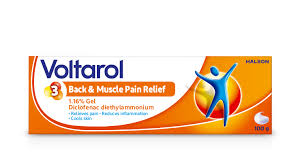
The Strongest Option: Low-Dose Opioid Combinations
The highest strength pain relief you can purchase over-the-counter (OTC) in a UK pharmacy is often a combination medicine containing a small amount of codeine or dihydrocodeine alongside paracetamol or ibuprofen.
-
Co-codamol (Paracetamol and Codeine): The most common example. The maximum OTC strength contains 8mg of codeine phosphate per tablet (often referred to as 8/500).
-
Ibuprofen/Codeine Combinations: These products combine the anti-inflammatory power of ibuprofen with low-dose codeine.
⚠️ Important Safety Note: These opioid-containing products are only licensed for the short-term treatment (up to 3 days) of acute moderate pain that is not relieved by paracetamol, ibuprofen, or aspirin alone. Prolonged use can lead to addiction and other side effects. They must be purchased from a pharmacy and are restricted to specific pack sizes.
The Core OTC Trio: Effective and Widely Used
Before jumping to the strongest options, most mild to moderate pain can be effectively managed with the standard, easily available OTC pain relievers:
| Painkiller | Type | Best For | Key Action |
| Paracetamol | Simple Analgesic | General aches, headaches, fever. Ideal for those with a sensitive stomach. | Blocks pain messages in the brain and reduces fever. No significant anti-inflammatory effect. |
| Ibuprofen | NSAID (Non-Steroidal Anti-Inflammatory Drug) | Muscle aches, joint pain, inflammation, sprains, menstrual pain. | Reduces pain, inflammation (swelling/redness), and fever at the site of the pain. |
| Aspirin | NSAID/Salicylate | Headaches, general aches, and fever. (Often used at low dose for blood thinning, but that is a different use). | Reduces pain, inflammation, and fever. |
Top Tip: For moderate pain, the combination of a maximum dose of Paracetamol and a maximum dose of Ibuprofen, taken separately and staggered, is often recommended by doctors as a highly effective, non-opioid approach.
🛑 Safety First: Essential Advice
All medicines carry risks, and OTC painkillers are no exception. Always follow the instructions on the packet and seek advice if you are unsure.
-
Do NOT Exceed the Dose: Overdosing on paracetamol can cause serious, life-threatening liver damage. Taking too many NSAIDs (like ibuprofen) can increase the risk of stomach ulcers, bleeding, and affect the kidneys or heart.
-
Check Ingredients: Be careful not to take multiple products that contain the same active ingredient (e.g., paracetamol is often in cold and flu remedies).
-
Medical Conditions: If you have conditions like asthma, stomach ulcers, kidney, liver, or heart problems, you should speak to a pharmacist or doctor before taking NSAIDs (Ibuprofen, Aspirin).
-
Codeine Use: Due to the risk of dependence, co-codamol and similar products should not be used for more than three consecutive days. If your pain persists, you must seek medical advice.
When to Seek Professional Help
Over-the-counter painkillers are designed for short-term, acute pain. If your pain:
-
Lasts for more than three days despite taking OTC medication.
-
Is severe or getting worse.
-
Is accompanied by other worrying symptoms (e.g., high fever, unexplained weight loss, numbness).
…it is crucial to stop self-medicating and consult your GP or a pharmacist. They can assess your condition, advise on the best pain management strategy, and potentially offer stronger, prescription-only options like higher-dose codeine, stronger NSAIDs (like naproxen), or other targeted treatments.
Disclaimer: This blog post provides general information and should not replace the advice of a healthcare professional. Always consult a pharmacist or doctor for advice tailored to your personal medical history and current pain.
