
Painkiller paracetamol
December 14, 2025Strong painkiller
December 14, 2025🦷 Stop the Throbbing: Finding Relief from Toothache Pain
Toothaches are notoriously some of the worst pain experiences—sharp, throbbing, and relentless. While a persistent toothache always means you need to see a dentist, knowing which over-the-counter (OTC) painkiller can help manage the agony until your appointment is crucial.
Here is a guide to the most common and effective OTC options for temporary toothache relief.
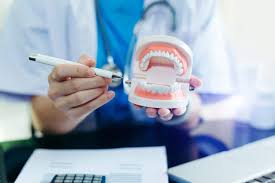
Understanding the Pain: Why Your Tooth Hurts
Most toothache pain is caused by inflammation and pressure inside the tooth’s sensitive pulp (the nerve center) due to:
-
A deep cavity or decay
-
A cracked or chipped tooth
-
An abscess (infection)
-
Gum disease
Because inflammation is the main culprit, the most effective pain relievers are those that target swelling.
The Best OTC Painkillers for Toothache
The two primary classes of OTC painkillers used for dental pain are NSAIDs and Acetaminophen (Paracetamol).
1. NSAIDs (Non-Steroidal Anti-Inflammatory Drugs)
NSAIDs are generally considered the most effective first-line treatment for toothache because they directly reduce inflammation, which often relieves the pressure on the nerve.
| Drug | Examples | Why it Works | Important Note |
| Ibuprofen | Advil, Motrin | Excellent at reducing the inflammation causing the pain. | Can irritate the stomach. Take with food or milk. |
| Naproxen | Aleve, Naprosyn | Similar anti-inflammatory action to ibuprofen, but lasts longer, typically dosed every 8–12 hours. | Better for prolonged pain relief (e.g., overnight). |
Pro Tip: Combining for Maximum Relief (Consult Your Pharmacist!)
Some studies suggest that alternating or combining Ibuprofen and Acetaminophen can provide greater pain relief than either drug alone, as they work on different pain pathways. This must only be done strictly following recommended dosage and timing and ideally under the guidance of a pharmacist or dentist.
2. Acetaminophen (Paracetamol)
| Drug | Examples | Why it Works | Important Note |
| Acetaminophen | Tylenol, Paracetamol | Relieves pain by blocking pain signals in the brain, but does not reduce inflammation effectively. | It is the safest choice for those with stomach issues or those who cannot take NSAIDs. Do not exceed 4,000 mg in 24 hours to avoid liver damage. |
🛑 What to AVOID
-
Aspirin (Acetylsalicylic Acid): While a pain reliever, it can thin the blood and is generally not recommended for severe dental pain, especially if you might need an extraction or other procedure soon.
-
Placing Pills on the Gum: Never crush an aspirin or any other painkiller and place it directly on the aching tooth or gum. This is an old home remedy that will likely cause a painful chemical burn to the sensitive gum tissue without actually relieving the deeper nerve pain.
-
Overdosing on Combination Products: Be careful with cold and flu remedies or prescription painkillers (like those containing codeine). Always check the label to ensure you aren’t taking Acetaminophen/Paracetamol from multiple sources.
Don’t Wait: The Importance of Seeing a Dentist
OTC painkillers are simply a temporary bridge.
A toothache is a signal of a problem that will likely get worse without professional intervention. A persistent toothache could mean you have an infection that requires antibiotics or an abscess that needs draining, procedures that OTC medication cannot fix.
If you experience any of the following, seek immediate dental care:
-
Fever
-
Swelling in the face or jaw
-
Pain that doesn’t subside with medication
-
Difficulty swallowing or breathing
Get in touch with your dentist as soon as the pain starts. Relief starts with a proper diagnosis!
⚠️ Medical Disclaimer: This blog post is for informational purposes only. Always consult with a dentist or pharmacist to determine the best pain management strategy and dosage for your specific situation.
