
best painkiller for period cramps
December 17, 2025Oxycodone – Medication
December 17, 2025Standard over-the-counter (OTC) painkillers like paracetamol and ibuprofen (NSAIDs) are typically not effective for nerve pain. Instead, doctors usually prescribe “adjuvant” medications—drugs originally designed for other conditions like epilepsy or depression that have been found to quiet overactive nerves.
First-Line Prescription Treatments
These are the most effective and commonly prescribed initial treatments for nerve pain:
- Anticonvulsants: Gabapentin (Neurontin) and Pregabalin (Lyrica) are often the first choice. They work by reducing the abnormal electrical signals sent by damaged nerves.
- Antidepressants:
- Tricyclic Antidepressants (TCAs): Amitriptyline and nortriptyline are “gold standard” options. They are
Topical Options (Localized Relief)
If your pain is confined to a specific area, topical treatments can provide relief with fewer systemic side effects:
- Lidocaine Patches or Creams: These numb the skin and are available in both OTC and prescription strengths.
- Capsaicin Cream/Patches: Derived from chili peppers, this helps stop nerves from sending pain signals, though it may cause a temporary burning sensation.
Specialized Options
- Trigeminal Neuralgia: Carbamazepine is the specific first-line treatment for this severe facial nerve pain.
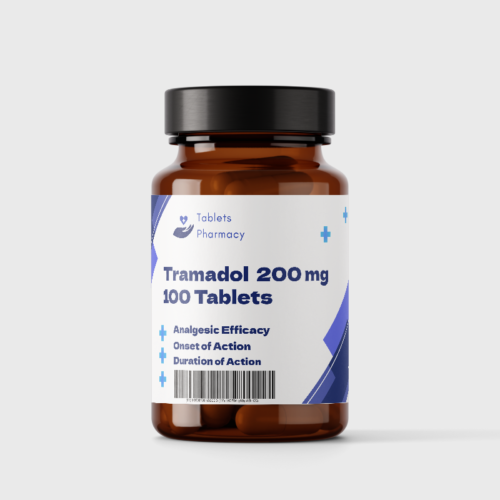
- Last Resort: Opioids like tramadol or morphine are generally reserved for short-term “rescue” therapy or when other treatments fail due to high risks of addiction and mixed effectiveness for nerve pain.
Important Considerations for 2025
- Delay in Relief: Most nerve pain medications take 3 to 4 weeks (and sometimes up to 6 weeks) of regular use to reach full effectiveness.
- Side Effects: Dizziness, drowsiness, and dry mouth are common. Doctors typically start with a low dose and gradually increase it to minimize these effects.
- Consult a Professional: Nerve pain can be a sign of underlying issues like diabetes or vitamin deficiencies. You should consult a healthcare provider for a proper diagnosis and tailored treatment plan.
These statements are for informational purposes only. For medical advice or a diagnosis, you should consult a professional. AI answers may contain errors. Learn more
