
best exercises for back pain
December 17, 2025Relieve back pain immediately
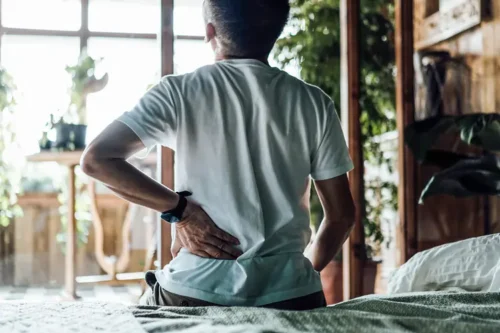
December 17, 2025Lower back pain is one of the most common physical ailments, but 2025 medical guidelines emphasize that movement is medicine. While your first instinct might be to rest, experts now recommend staying as active as possible to prevent stiffness and speed up recovery.
Here is a 2025 guide on what to do for immediate and long-term lower back pain relief at home.
1. Immediate Home Care (First 48–72 Hours)
When pain first strikes, the primary goal is to control inflammation and manage muscle spasms.
- Ice First, Heat Later: Use ice packs for the first 48 hours to reduce swelling and numb sharp pain. Apply for 15–20 minutes every 2–4 hours. After 48 hours, switch to heat therapy (heating pads or warm baths) to relax tight muscles and improve blood flow.
- Smart OTC Medication: Nonsteroidal anti-inflammatory drugs (NSAIDs) like ibuprofen (Advil) or naproxen (Aleve) are highly effective because they target both pain and inflammation. Acetaminophen (Tylenol) can help with pain but does not reduce swelling.
- Limit Bed Rest: Do not stay in bed for more than 1–2 days. Prolonged rest can weaken your core and stiffen joints, making the pain worse in the long run.
2. Essential Stretches for Daily Relief
Perform these moves slowly and rhythmically; stop if you feel sharp, stabbing pain.
- Knee-to-Chest: Lying on your back, gently pull one knee toward your chest and hold for 10–30 seconds to release tension in the lumbar spine and hips.
- Cat-Cow Pose: On your hands and knees, alternate between arching your back toward the ceiling (Cat) and dipping it toward the floor (Cow). This improves spinal mobility and flexibility.
- Child’s Pose: Kneel and sit back on your heels while reaching your arms forward on the floor. This provides a deep, relaxing stretch for the entire lower back.
3. Strengthening Your “Natural Brace”
Building strength in your core and glutes takes the pressure off your spine.
- Bird-Dog: Extend opposite arm and leg while on all fours to build stability.
- Bridges: Lying on your back with knees bent, lift your hips to form a straight line from knees to shoulders. This activates the glutes, which support the lower back.
- Low-Impact Cardio: Brisk walking or swimming increases blood flow to spinal discs, providing essential nutrients for healing.
4. Lifestyle Adjustments for 2025
- The 30-Minute Rule: If you sit for work, set a timer to stand, walk, or do a quick stretch every 30 minutes to prevent “sitting disease” from aggravating your discs.
- Sleep Alignment:
- Side Sleepers: Place a pillow between your knees to keep your hips and spine aligned.
- Back Sleepers: Place a pillow under your knees to maintain the natural curve of your lower back.
- Anti-Inflammatory Diet: Incorporate foods like leafy greens, berries, turmeric, and ginger to fight internal inflammation naturally.
When to See a Doctor
Seek professional help immediately if your back pain is accompanied by:
- Loss of bowel or bladder control.
- Severe weakness, numbness, or tingling in the legs.
- Fever or unexplained weight loss.
- Pain that is severe enough to wake you at night.
