
Naproxen painkiller
December 14, 2025best painkiller for toothache
December 14, 2025💊 The Power of Non-Prescription Pain Relief: What is the Strongest Over-the-Counter Painkiller?
We’ve all been there: a throbbing headache, a surprising backache, or the persistent ache of a muscle strain. When pain strikes, reaching for a non-prescription painkiller is often the first step to finding relief. But in the crowded pharmacy aisle, the question looms: What is the strongest over-the-counter (OTC) painkiller?
The answer isn’t a simple one, as the “strongest” relief often depends on the type of pain you’re experiencing and your individual health profile. However, based on efficacy for common pain and inflammation, a few contenders rise to the top.
The Heavy-Hitters: NSAIDs vs. Acetaminophen
OTC pain relievers fall into two main categories, each working in a different way:
1. Nonsteroidal Anti-Inflammatory Drugs (NSAIDs)
NSAIDs are powerhouse pain relievers that not only ease pain but also reduce inflammation and fever. They work by blocking enzymes that produce prostaglandins, the chemicals that cause pain and swelling.
-
Naproxen (e.g., Aleve): Often cited as one of the most powerful anti-inflammatory OTC options. Its primary advantage is its long duration of action, typically lasting 8 to 12 hours, meaning you don’t need to take it as frequently. This makes it particularly effective for chronic pain from conditions like arthritis or for long-lasting pain like sprains or menstrual cramps.
-
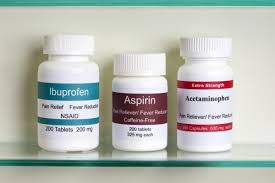
Ibuprofen (e.g., Advil, Motrin): A very common and effective NSAID for reducing fever, pain, and inflammation. It generally acts faster than naproxen but needs to be re-dosed more often, usually every 4 to 6 hours.
-
Aspirin (Acetylsalicylic Acid): The original NSAID, effective for pain, fever, and inflammation. However, it also has blood-thinning properties, which is why a low dose is often used for heart health. It is generally not recommended for children due to the risk of Reye’s syndrome.
2. Acetaminophen (Paracetamol, e.g., Tylenol)
Acetaminophen is an excellent pain reliever and fever reducer, but it does not have significant anti-inflammatory properties. Its exact mechanism is still being studied, but it’s believed to work primarily in the central nervous system to raise the pain threshold.
-
Best for: Headaches, fever, and general aches and pains not primarily caused by inflammation.
-
Key Advantage: It generally has fewer side effects on the stomach than NSAIDs, making it a common first choice for many.
The Strongest Combination: The Synergistic Effect
For acute, moderate-to-severe pain, scientific research (particularly in post-operative pain management) strongly suggests that the combination of ibuprofen and acetaminophen is one of the most effective non-prescription strategies available.
When taken together at their recommended doses, these two medications work via different mechanisms, offering a synergistic effect that can be more effective than either drug alone—and often even more powerful than some prescription opioid/acetaminophen combinations.
⚠️ A Critical Safety Reminder
While these medications are available over the counter, they are still powerful drugs and must be used with caution.
-
DO NOT Exceed the Maximum Dose: Overdosing on Acetaminophen can cause severe liver damage. Overdosing on NSAIDs can lead to gastrointestinal bleeding, stomach ulcers, and kidney problems. Always read the label and follow the dosage instructions precisely.
-
Check All Active Ingredients: Be careful when taking multiple medications (like cold & flu medicine) as they often contain acetaminophen or ibuprofen, leading to accidental overdose.
-
Consider Your Health History:
-
NSAIDs (Ibuprofen, Naproxen, Aspirin) should be used cautiously by people with high blood pressure, heart disease, kidney problems, or a history of stomach ulcers.
-
Acetaminophen should be avoided or limited if you have liver disease or consume alcohol regularly.
-
The Takeaway
There is no single “strongest” OTC painkiller that is right for everyone.
| If you have… | The Best Initial Choice is Likely… | Why? |
| Pain with Inflammation (Sprain, Arthritis, Menstrual Cramps) | Naproxen or Ibuprofen | They directly reduce swelling and inflammation. |
| Headache or Fever (with few side effects) | Acetaminophen | Excellent for pain/fever and gentler on the stomach. |
| Severe Acute Pain (Toothache, significant injury) | Combination of Ibuprofen + Acetaminophen | Provides the best synergistic relief from multiple pathways. |
Always consult with your doctor or a pharmacist before starting any new pain regimen, especially if you have chronic pain or existing health conditions.
Disclaimer: This blog post provides general information and should not be taken as medical advice. Always consult with a qualified healthcare professional regarding your specific symptoms and before taking any medication.
